

The Honest Truth About Professional Video Production in 2026 (Why It Still Wins)

The Shift in Professional Video Production in 2026
Is corporate video production still a worthwhile investment?
Are brands continuing to work with production companies, or are influencers and creators slowly taking over?
It’s 2026, and the world of professional video production looks very different from what it once was. Short-form clips dominate feeds. Trends move at lightning speed. A teenager dancing to a sound you’ve never heard of can rack up millions of views overnight, while a carefully crafted TV advert barely gets a mention online.
In a landscape like this, it’s easy to ask whether traditional video production still matters. But popularity alone doesn’t equal impact, and views don’t always translate into trust, clarity, or results.
DIY Content vs Professional Video Production
The democratisation of video has been one of the biggest creative shifts of the last decade. Phones shoot in 4K. Editing apps are accessible. Distribution is instant. Anyone can create content, and that accessibility has opened doors for creativity across every industry.
But accessibility doesn’t replace expertise.
While DIY content is great for spontaneity and speed, it often lacks structure, intention, and consistency. Professional video production exists for a different purpose. It’s not just about making something watchable; it’s about making something work.
You can record a reaction video from your sofa and upload it within minutes. But that doesn’t mean you’re considering pacing, lighting, audio clarity, framing, emotional flow, or brand messaging. These are the foundations of high-quality video work, and they’re the difference between content that fills space and content that delivers value.
Why Professional Video Production Is a Craft, Not a Shortcut
One of the most common misconceptions is that professional video production simply means “better cameras”. In reality, it’s a craft built on collaboration, planning, and experience.
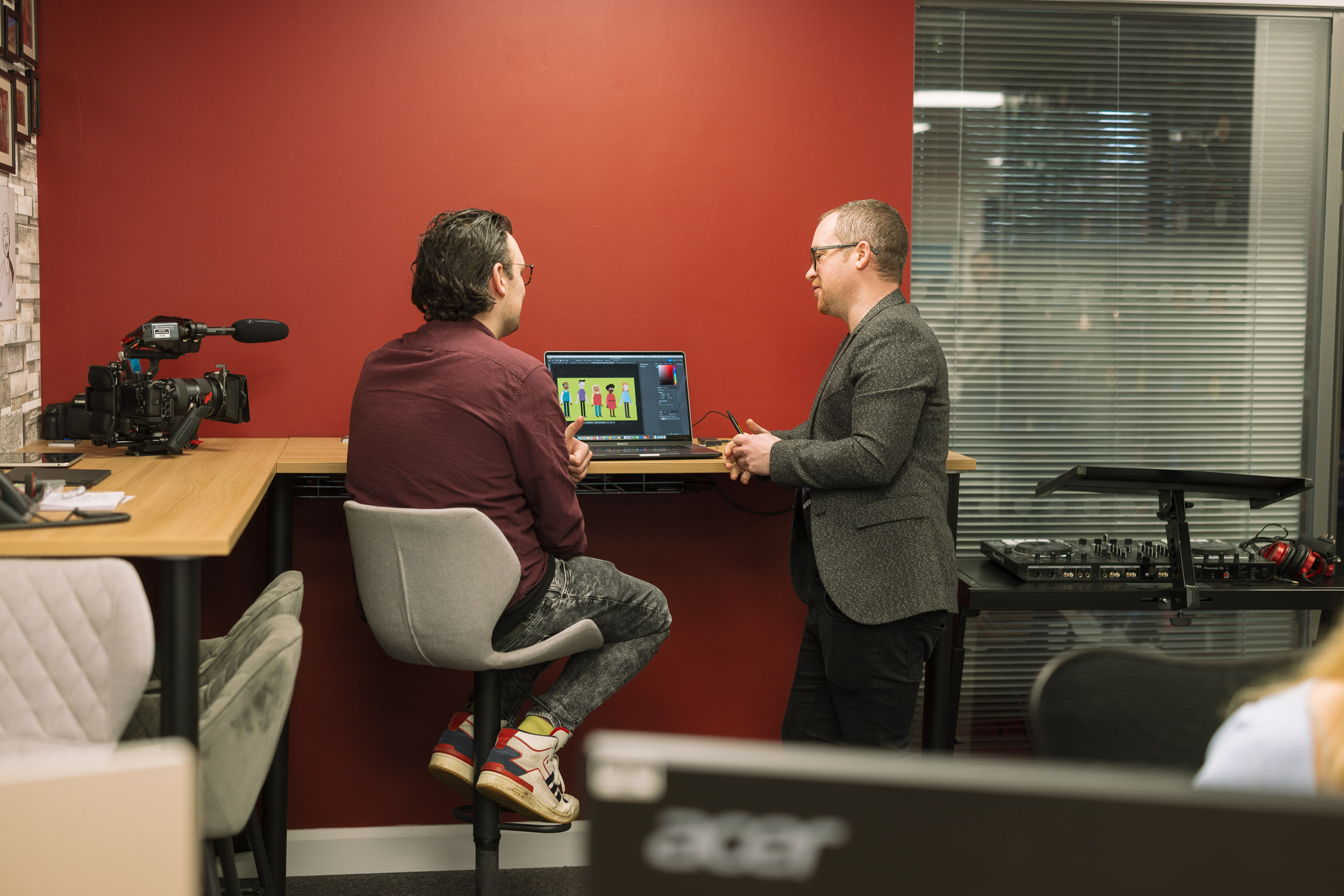
Behind every strong video is a team making deliberate decisions. Directors shape the story. Producers manage logistics and timelines. Cinematographers design lighting and composition. Editors build rhythm and meaning. Sound specialists ensure clarity and consistency. Each role exists for a reason.
Compare that to a single person filming a project on a smartphone. The moment may be captured, but elements like continuity, narrative flow, emotional intent, and audience understanding are rarely considered in depth. In professional video production, these elements are essential, not optional.
The result is content that feels purposeful, polished, and aligned with a wider strategy rather than content created purely for the sake of posting.
No — Professional Video Production Isn’t Dead
Despite what the internet might suggest, professional video production isn’t disappearing. It’s evolving alongside platforms, audiences, and expectations.
The formats may change, but the need for clarity, storytelling, and trust has not. In fact, as content becomes noisier, professionally produced video becomes more valuable.
Think of professional video production as something resilient. It adapts to new channels, new viewing habits, and new technologies, while still delivering the fundamentals that brands rely on. Even when trends come and go, well-crafted video continues to perform.
The tools evolve, but the craft remains.
Why Brands Still Invest in Professional Video Production
When brands have something important to communicate, they rarely leave it to chance. Product launches, safety messaging, recruitment campaigns, training content, brand films, and corporate communications all require accuracy, consistency, and credibility.
This is where professional video production continues to play a vital role.
Influencers and creators bring speed, relatability, and reach. They’re effective within specific contexts. But professionally produced video content brings reliability, control, and long-term value.
One is designed for quick attention.
The other is designed for sustained impact.
For many brands, both approaches can exist side by side. But when reputations, compliance, or clarity are at stake, professional video production remains the safer, smarter choice.
Where Professional Video Production Fits in a Creator-Led World
At Shot Blast Media, this shift is something we see every day. Brands aren’t abandoning professional video production because they lack tools. They’re choosing it because they need results.
They come with clear objectives: to explain something complex, to build trust, to align teams, or to present themselves with confidence. These goals require strategic thinking, storytelling expertise, and production experience.
In a world filled with fast content and fleeting trends, clarity becomes a competitive advantage. And clarity is exactly what professional video production delivers.
Creators have their place in the ecosystem. But production companies still provide the structure and depth that brands rely on to communicate effectively.
The Future of Professional Video Production
Looking ahead, professional video production is becoming more focused, not less. Audiences are more selective. Brands are more strategic. And quality is becoming a differentiator once again.
A strong video can educate teams, influence behaviour, support sales, strengthen culture, and build trust with audiences. When done well, it continues to deliver value long after it’s published.
So no — professional video production isn’t dead.
It’s becoming more intentional, more refined, and more important in a crowded digital landscape. As long as brands need clarity over noise, structure over chaos, and storytelling over trends, professional video production will continue to thrive.